Finger on the Pulse: Inside Asia's Ports - A Journey Towards Decarbonisation
This edition of Finger on the Pulse explores why integrated planning across energy, digital, and circular solutions will be key to advancing port decarbonisation.
Asia is home to some of the world’s busiest and most critical ports. Around 80% of global trade volume is transported by sea, with the Asia-Pacific alone accounting for approximately 54% of global seaborne cargo.
With nine of the world’s busiest ports concentrated in Asia, the pressure to future-proof port infrastructure is intensifying. Geopolitical shifts and rising trade volumes are redirecting trade flows faster than many facilities can absorb, while climate risks, higher operating costs, and evolving regulatory requirements are further testing the resilience and long-term competitiveness of port systems.
These dynamics are unfolding against a shifting global policy backdrop. The International Maritime Organisation (IMO), recognising uneven levels of technological readiness across regions and the scale of financing and systems transformation required, has delayed finalising its net-zero framework for the greening of ports. But this delay is not a reprieve; it is a window of opportunity. For Asia’s port stakeholders, the question is no longer whether to act, but how to act boldly and in an integrated manner to turn today’s pressures into long-term competitive advantage.
Discussions at the previous edition of the Innovative Finance Clinic highlighted a growing consensus: electrification is the foundation. But only when combined with clean energy sourcing, AI-enabled operations, and circular practices, can it deliver the full-scale transformation the sector needs.
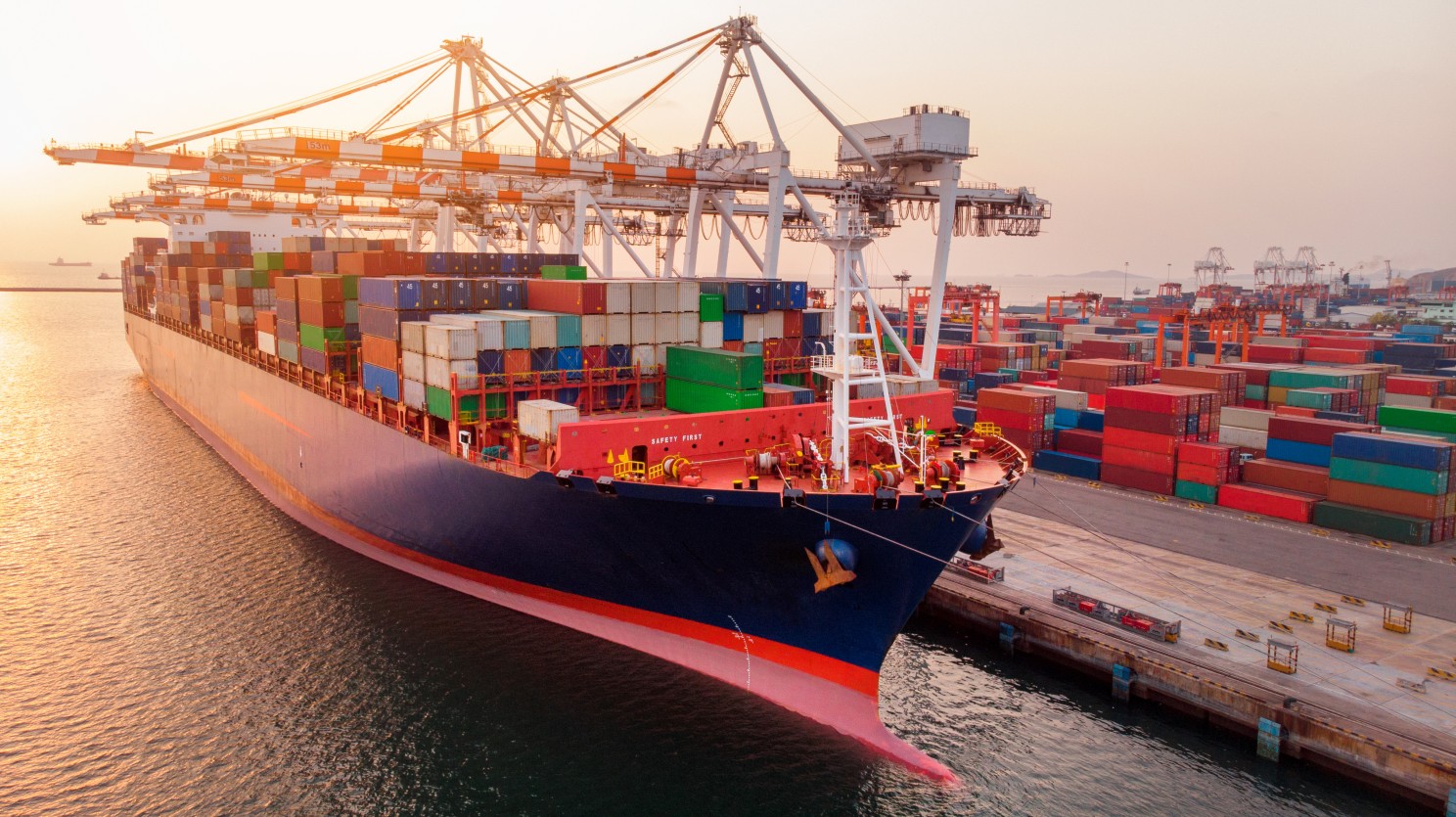
Electrify for Tomorrow's Demand
Electrification is emerging as a critical first pillar of port decarbonisation. In 2019, ports across Southeast Asia were estimated to produce 13.7 million tonnes of CO₂, with a significant share originating from diesel-reliant cargo-handling equipment, yard vehicles, and auxiliary vessel engines.
Getting a head start in port electrification can yield substantial benefits. As Kusum Verma, Regional Segment Director for Infrastructure Segments at Schneider Electric, shared, “Shore power, for example, can reduce emissions at berth by almost 70%, depending on the port’s underlying energy mix.” By enabling vessels to plug into shore power while berthed, ports can significantly reduce ship emissions at dock, improving air quality while lowering carbon footprints.
Momentum is already building. Several Asian ports are piloting shore power and electrifying key terminal assets. Singapore, for instance, is leading the way with interoperable shore-charging standards for electric harbour craft (e-HC), building industry confidence and laying the groundwork for wider adoption.
Adrian Sammons, Senior Transport Specialist at the Asian Development Bank (ADB), noted that while port electrification is still an emerging technology, it can be applied in Asia, noting that "the design and application of the electrification, monitoring, and digitalisation systems have proven that they work."
He added that design and deployment considerations vary significantly across port types – from oil terminals to container ports and cruise terminals – highlighting the need for approaches tailored to local operating conditions. A Vietnamese port absorbing sudden supply chain inflows, for instance, faces a very different electrification challenge from an ageing Japanese terminal managing workforce attrition alongside infrastructure renewal.
Moving beyond pilots, ports should take a systematic approach by prioritising the electrification of the highest-emitting assets, co-developing grid upgrades with utilities, and structuring programmes that can be scaled across terminals. Ports that do so will not only reduce emissions more quickly, while building a stronger, bankable case around reliability and long-term competitiveness.
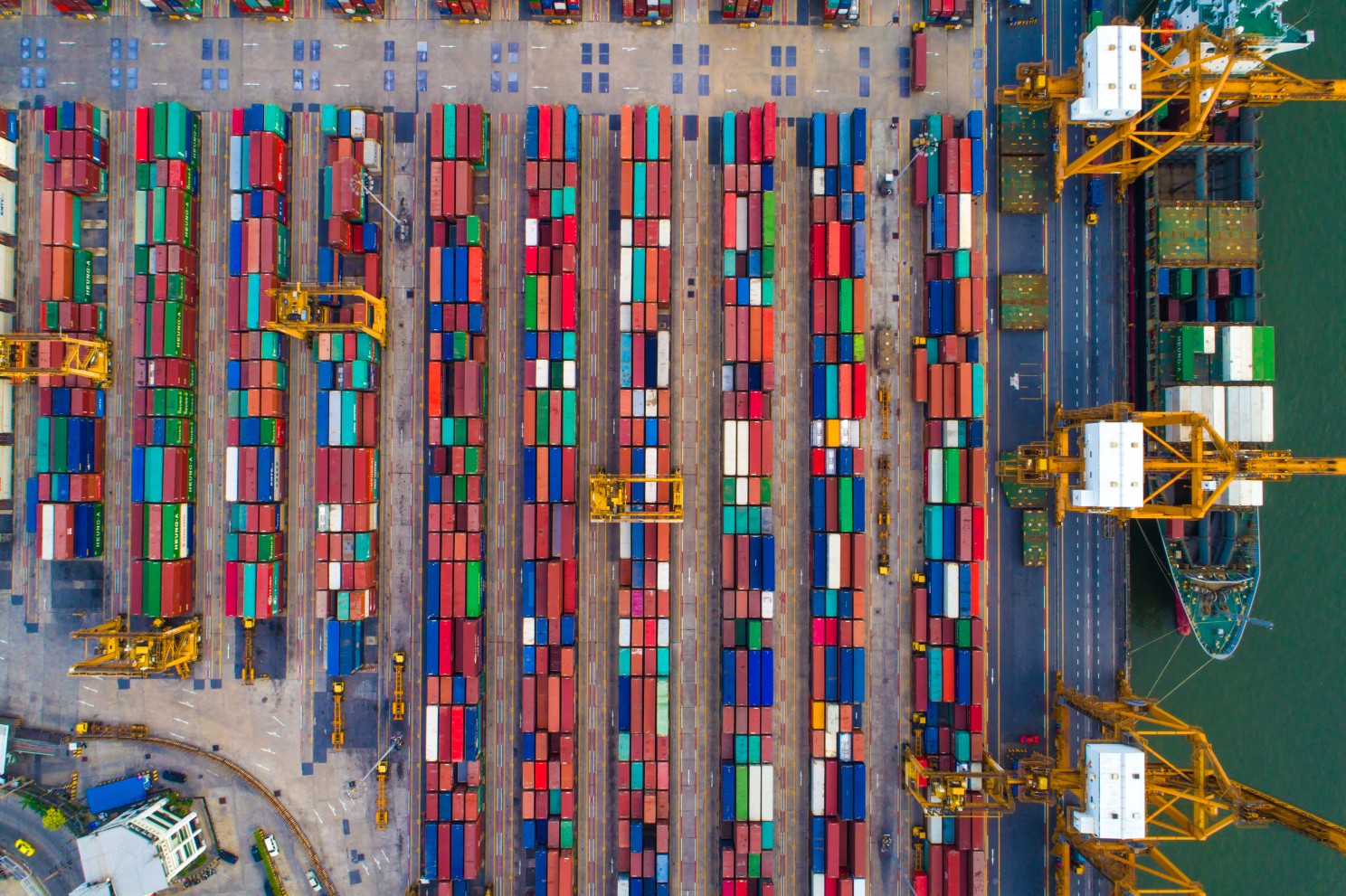
Rethinking How Ports Source, Use and Store Energy
There are, however, trade-offs to consider. In coal-heavy grids, electrification risks shifting emissions upstream rather than eliminating them – underscoring the need to plan electrification and grid decarbonisation in tandem. This “hidden emissions” risk is pushing leading operators to treat energy as a core part of port strategy, rather than a downstream consideration. As Verma noted, “Ports are evolving from traditional transport gateways into clean energy hubs, and digitalisation is the backbone of this transition.”
According to IRENA’s outlook, renewables could supply up to 70% of Asia’s electricity by 2050, positioning ports as natural anchors for new clean‑energy capacity. In Thailand, for example, solar installations across port facilities already generate more than 5 million kWh annually, with plans for further expansion. Alongside renewables, battery energy storage solutions (BESS) are also becoming a critical enabler. By storing excess renewable energy and deploying it during peak periods, BESS can support terminal operations and shore-side power for docked vessels, enabling ports to run on clean energy around the clock.
Scaling these solutions, however, requires careful planning. High-powered charging required for fast vessel turnarounds can create significant peak loads, often exceeding existing grid capacity and requiring substantial upfront investment. Battery systems, while essential, also require sophisticated energy management to avoid operational constraints.
Beyond energy systems, digital technologies act as force multipliers – amplifying the impact of electrification and renewables by enabling smarter, more coordinated operations across the entire port. While static load planning once defined port energy management, AI-powered systems can now dynamically optimise interactions between electrified equipment, intermittent renewables, and fluctuating demand in real time, improving both efficiency and reliability.
Wilfredo Zapanta Jr, Head of the Port Engineering Division at the Seaport Department in the Philippines, shared the example of the Port of Subic Bay, which has embarked on a digitalisation journey to modernise its traffic management system. These efforts have improved fuel efficiency and productivity by reducing vessel waiting times and optimised operational speeds across the port, demonstrating how digital solutions can deliver both operational and energy efficiency gains.
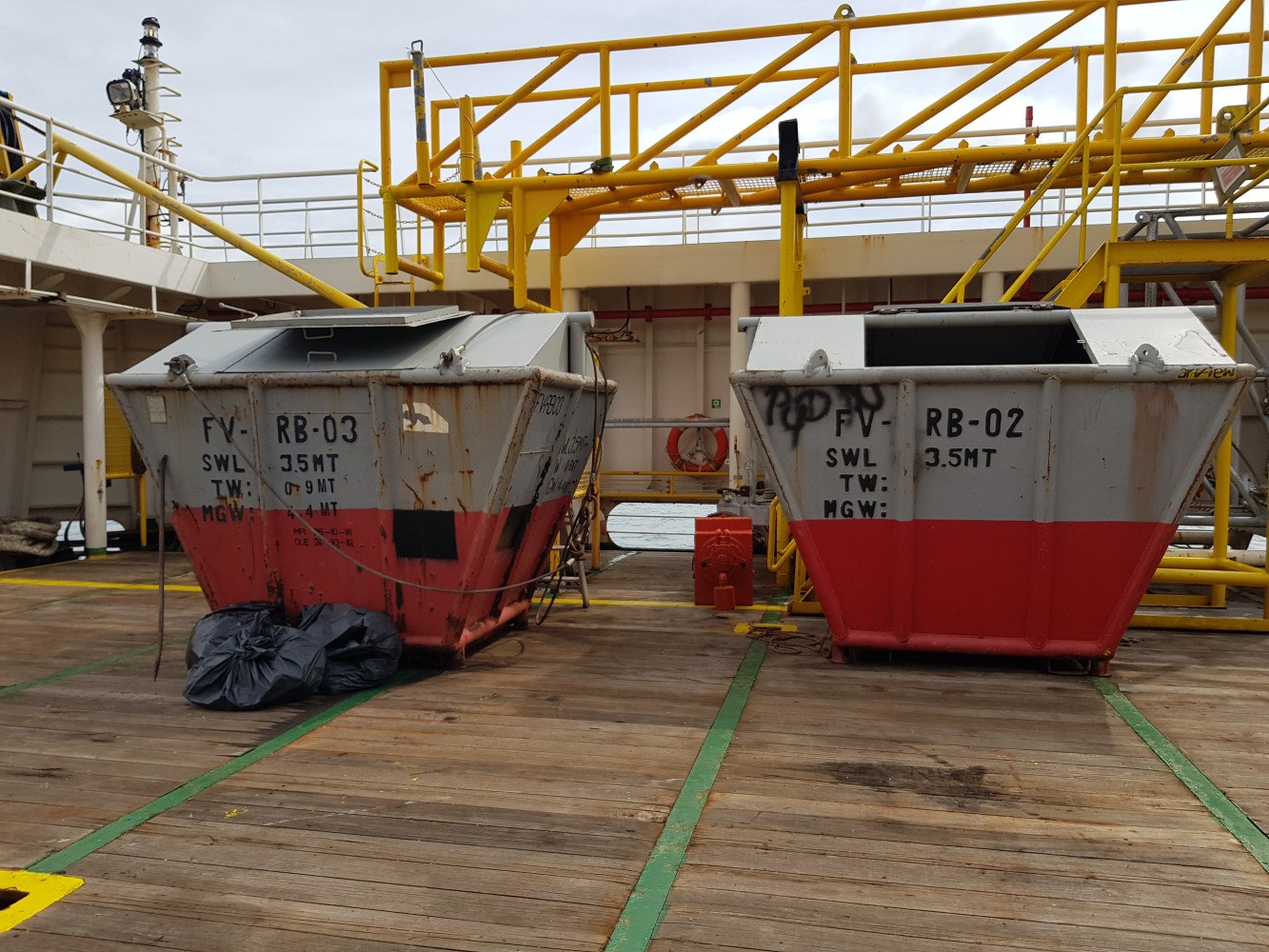
Closing the Loop: Circularity Strengthens Low Carbon Port Operations
As maritime trade volumes increase, ports are generating larger and more complex waste streams, adding pressure on legacy waste-handling systems that are not built for today’s scale or evolving regulatory requirements. At the Tianjin Port in China, for example, only 20% to 30% of incoming ships unload their waste onshore. Poor waste management heightens the risk of marine pollution, operational delays, and non-compliance with MARPOL (International Convention for the Prevention of Pollution from Ships) requirements, all of which can undermine ports’ environmental credibility and commercial competitiveness.
In response, leading ports are adopting circular-economy models that prioritise waste minimisation, improved segregation and recycling, and safer handling of hazardous materials. In 2021, India’s Jawaharlal Nehru Port Trust (JNPT) launched a comprehensive solid waste management project, which included the installation of a hydraulic baling press machine to compress dry waste and sewage treatment plants for wastewater recycling.
Green Ports are the Way Forward
Maritime traffic is projected to increase significantly by 2050 – with some estimates suggesting growth of between 240% and 1,200%. In Asia, this trajectory is sharpening the urgency to decarbonise ports, with operators and authorities taking steps to reduce emissions and modernise operations.
While meaningful change will require sustained effort and structural shifts, ports that move early – by integrating low-carbon technologies and smarter systems – are likely to emerge as frontrunners in the energy transition.
Infrastructure Asia remains committed to advancing decarbonisation and sustainable infrastructure development across sectors through collaboration and knowledge-sharing, supporting the region’s ambition for a more resilient and sustainable infrastructure ecosystem.
